




Can leave-in conditioner be used as a heat protectant?
A leave-in conditioner works as a heat protectant only when its label covers your styling tool and method. Check directions for blow-drying or hot tools.


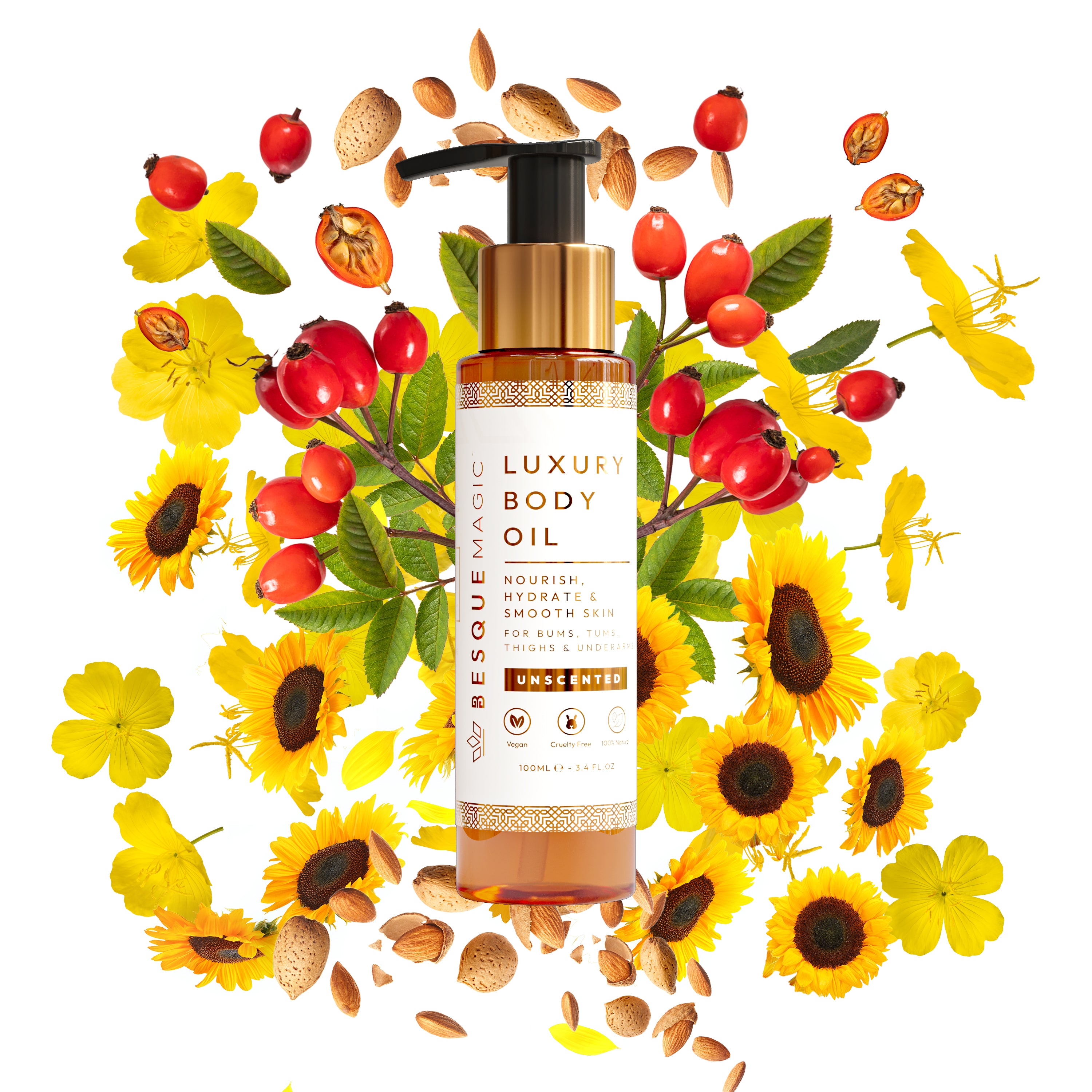
I am loving this oil, I’m seeing changes in my skin after only 30 days. I can’t wait to see the results after 90 days!
Dianne A.
Verified Customer


The gentlest way to detangle hair is to work in manageable sections, start at the ends and move towards the roots, and pause whenever your comb or fingers meet resistance. Use a wide-tooth comb or your fingers, and choose a damp, conditioned approach or a dry approach according to what makes your hair easiest to separate. Curly and coily hair often benefits from detangling with conditioner in it; fine or straight hair may be easier to handle when dry or partly dry.
The aim is to loosen knots without pulling hard on the hair or scalp. A patient method can make wash day less uncomfortable and help you avoid turning a small tangle into a larger one.
Hair tangles when strands cross, wrap around one another or catch on nearby strands. Movement, friction, length and texture all affect how easily that happens. Curly and coily hair can become interwoven as curls sit close together, while fine hair can knot because individual strands move freely. Long hair also has more length that can brush against clothing or other strands.
A tangle by itself does not tell you that your hair is damaged. It is a cue to slow down and separate the strands with care. If your hair often knots in the same place, noticing when and where it happens can help you adjust your routine. A knot at the nape after wearing a scarf calls for a different small adjustment from knots that form throughout curly lengths between wash days.
Detangling is also not the same as brushing for a particular style. You do not need to make every strand lie in one direction or keep combing once knots have loosened. The useful endpoint is hair that separates comfortably enough for your next step, whether that is rinsing conditioner, arranging curls or getting ready for the day.
When a comb catches, pulling harder transfers force through the length of the hair and can tug at the scalp. Working on a smaller section gives you a better view of the knot and lets you hold the hair above it for support. That can make the process more controlled, especially if you are working through a dense patch or detangling longer lengths.
How much sectioning you need depends on the amount and texture of your hair. You might manage short, fine hair in a few broad sections, while thick or tightly curled hair may be easier to work through in smaller portions. The aim is not to divide your hair into a prescribed number of parts. Choose sections you can hold comfortably and see clearly.
Let resistance guide your pace. If a section pulls, catches or feels uncomfortable, stop and loosen the knot with your fingers before trying the tool again.
Begin with clean hands and a tool that is easy to control. A wide-tooth comb is a useful starting point for many textures because its teeth have space between them. Fingers are useful for locating a knot and gently separating strands before you use a comb or brush.
If your hair is damp, arrange it so you can work without holding it overhead or twisting your shoulders awkwardly. If you are detangling in the shower, work where you can keep the section supported and rinse conditioner away afterwards. If you are working on dry hair, choose a calm moment rather than trying to hurry through while getting dressed or leaving home.
Prepare just enough of the hair to keep the rest out of the way. Clips or loose twists can help keep finished sections separate, but avoid fastening hair so tightly that the roots feel pulled. Keep your comb clean and check that it has no rough or damaged teeth that catch on strands.
Follow this sequence for a routine detangling session:
Keep your movement steady. Repeatedly brushing through a section that is already smooth adds work without helping to loosen a knot. If you find that you are making longer strokes because the first few went well, keep the tool within the section you have already cleared rather than dragging it through a neighbouring knot.
For thick or curly hair, you can loosely twist or clip each finished section out of the way. That is a practical way to prevent cleared hair from becoming tangled with the next section. Keep the twist comfortable and easy to undo.
A compact knot needs smaller movements than a loose tangle. Stop when the tool catches, back it out a little, and use your fingers to feel where the strands cross. Try to separate a few strands at a time rather than pulling the whole knot down the length of the hair.
If you are working with damp, conditioned hair, add or redistribute conditioner on the section if it no longer feels easy to move through. If you are detangling dry hair, do not wet it automatically just because a knot is difficult. Change the approach only if the current state is making the strands hard to separate. For example, a section that feels too dry to handle easily may be simpler to work through damp with conditioner, while a fine, straight section that clumps when wet may be easier to manage when dry.
There is no benefit in continuing through pain or force. If a knot is too tight to loosen with gentle finger work, or a larger area has become densely matted, pause rather than tugging or cutting it out yourself. A hair professional can assess the knot and help you decide how to proceed. This is especially sensible if reaching or working the area is uncomfortable for you.
The best time to detangle is the time when your hair separates with the least resistance using a gentle technique. Curly and coily hair often benefits from being damp with conditioner in it, as the added conditioning slip can make it easier for fingers or a tool to move through the lengths. Many people find this convenient during conditioning on wash day.
Fine or straight hair may be easier to detangle when dry or partly dry, particularly if wet sections cling together or are difficult to see clearly. Wavy hair can fall between these approaches. Try one method at a time and pay attention to what you notice: Does the tool pass through more easily? Can you keep sections separate? Are you having to pull to make progress? Those observations are more useful than following a rule that ignores your hair’s texture and routine.
When hair is wet, handle it deliberately and do not rush. Keep sections supported and use short movements. If you prefer to detangle before washing, do it gently and avoid pulling through knots. If your hair tangles more easily after it is dampened, try detangling it before the shower instead. The aim is to choose a workable starting point, not to insist that every head of hair be detangled in the same state.
A wide-tooth comb and your fingers can both be useful. Fingers let you locate where strands are caught and begin separating a knot. A comb can help you check a section once the larger tangles have loosened. Some people prefer a detangling brush, particularly on longer lengths, but its shape and flexibility should feel manageable for your hair.
| Hair situation | A useful starting approach | What to notice |
|---|---|---|
| Fine or straight hair | Try fingers or a wide-tooth comb on dry or partly dry sections. | Choose the state in which sections stay separate and the tool does not pull. |
| Wavy hair | Begin with fingers or a wide-tooth comb, dry or damp according to the result. | Notice whether damp sections clump or whether dry sections catch. |
| Curly or coily hair | Work in sections with fingers or a wide-tooth comb while conditioner gives the lengths slip. | Keep the section manageable and ease knots apart rather than pulling through curls. |
| Long or thick hair | Divide the hair into sections and clear the ends before moving upwards. | Use portions you can support comfortably without tangling them back together. |
Use the tool that lets you feel resistance early. A wide-tooth comb is often easier to guide through a knot than a fine-tooth comb, but that does not mean every wide-tooth comb suits every texture or every stage of styling. A brush can be useful after the knots have loosened, if it passes through your hair without catching. You do not have to use a brush simply because it is part of your usual routine.
If a tool repeatedly snags in the same section, pause and change your hand position or return to finger detangling. Do not treat resistance as a test of whether you should use more force. The right tool is the one you can move through the section with control.
Conditioner is useful during detangling when it makes your hair easier to separate. After shampooing, spread rinse-off conditioner through the lengths that need help with handling, then use your fingers or a wide-tooth comb to work through small sections. Rinse thoroughly when you have finished. Focus shampoo on the scalp and avoid roughly rubbing the lengths together while cleansing.
For hair that needs detangling between washes, a leave-in conditioner or detangling product can be a more suitable format than a rinse-off conditioner. Follow that product’s directions and keep it on the areas it is intended for. You do not need to coat your hair with several products at once. If a product makes the section easier to separate, use it as directed; if it leaves the hair feeling coated or harder to handle, reconsider whether it suits that step. Besque's guide to jojoba oil and conditioner formats compares how those products fit into a hair routine.
Fine, straight hair can tangle easily even when it looks smooth. If your hair becomes difficult to manage when wet, detangle gently while it is dry or partly dry. Use your fingers to identify knots, then work through the ends with a wide-tooth comb. Keep the section small enough to hold without pulling at the scalp.
If your hair is short, you may not need to divide it into many sections. If it is longer, working from the underneath layers towards the outer layers can make it easier to see what is still caught. Avoid repeatedly combing already-clear lengths in an effort to make them lie perfectly flat. Detangling and smoothing a finished style are separate tasks.
Curves and coils can catch on neighbouring strands, so a section-by-section approach can be especially useful. Many people with curly or coily hair find it easier to detangle while damp and conditioned. Work through each section with your fingers first, then use a wide-tooth comb if it helps you finish the job. A conditioner with enough slip to make movement easier can reduce the need to tug.
Keep sections apart once you have cleared them. If you are detangling during a wash, you can loosely clip or twist each finished section while you work on the next, then rinse and style as you normally would. For a refresh between washes, only work on the areas that need it and use the product format intended for that use. A full comb-through is not necessary each time you notice one small knot.
The shape you want to wear your curls in also matters. If you plan to keep defined curls, use your fingers or a wide-tooth comb and stop once the knots have loosened enough for your next styling step. Repeated brushing can change how the hair sits, even if the tangles are gone. Detangling should make your preferred routine easier, not dictate a different style.
Longer hair benefits from smaller sections because the ends can knot together while the upper part of the section remains clear. Start at the tips and move upwards in stages. If your ends repeatedly catch, give them attention first rather than dragging a comb down from the roots and tightening the knot.
Colour-treated or otherwise processed hair still needs a gentle approach, but the label on a styling product or a change in hair colour does not tell you exactly which detangling method will suit you. Notice whether your lengths are easier to manage dry, damp or with conditioner. Use shorter strokes and stop at resistance. If you are unsure which conditioning products fit alongside your existing routine, a stylist can help you consider the handling needs of your hair and the services you have had.
The place a knot appears can offer a practical clue. Tangles at the nape may come from hair rubbing against clothing or moving against the back of your head. Knots at the ends may be easier to address by sectioning the lengths and starting at the tips. Tangles throughout the hair may call for a different approach to washing, drying or conditioning.
Make one relevant adjustment at a time so you can tell whether it makes the routine easier. If a scarf seems to catch your hair at the nape, try gathering the hair loosely before putting the scarf on. If knots appear while you wash, pay attention to whether you are rubbing the lengths together. Small observations can help you decide what to change without needing to overhaul products that already work for you.
Shampoo the scalp, then let the water and rinse carry the cleanser through the lengths rather than scrubbing the hair against itself. Apply conditioner where the lengths need easier handling. If you detangle in the shower, take a section at a time and work from the ends upwards. When you rinse, avoid bunching all the hair together if that tends to recreate knots.
After washing, squeeze or blot excess water instead of rubbing the lengths vigorously with a towel. Keep the hair gathered gently if you are moving around before styling. If you use a hairdryer, follow the appliance instructions and reduce avoidable heat exposure. Detangling technique and heat protection are separate parts of hair care, so do not assume an oil provides heat protection unless its label says so.
You do not need to comb your hair on a fixed schedule just to meet a general rule. Detangle when knots interfere with handling, and consider addressing small knots before they become a difficult mass. For curls or coils, a loose, comfortable arrangement overnight can reduce movement and friction. The arrangement is optional, and it should not pull at the scalp.
If you wear your hair in a braid, twist or another protective style, separate the hair gradually when taking it down. Work through the loosened lengths with your fingers before using a comb. If a section catches, stop and return to smaller movements. Protective styling does not remove the need to detangle, but a patient take-down can make the next wash or styling step more manageable.
Ordinary tangles loosen a little at a time. Dense matting is different because many strands are caught together and it can be hard to see where one knot ends. Do not try to force a comb through a matted area or keep pulling if the process is painful. Pause and seek help from a hair professional if you cannot separate it gently.
If you are repeatedly seeing knots in one area, consider whether the cause is a routine detail you can adjust, such as where the hair rubs, how it is handled after washing or whether the ends need more conditioning. Persistent scalp symptoms or sudden, patchy or unexplained hair loss are separate concerns from detangling and need appropriate professional assessment. A combing method can help with handling the hair you have, but it does not address the cause of a scalp or hair-loss concern.
A hair oil and a conditioner can have different jobs. Conditioner can make hair easier to handle during detangling, while a hair oil may be part of a separate conditioning routine. Do not assume that every oil will give the same slip as a rinse-off or leave-in conditioner, or that adding oil to a knot is the right first step. Use a product according to its own directions and assess whether it makes the hair easier to manage.
Besque’s Instant Anti-Frizz Hair Oil is positioned for frizz management and a smoother, more manageable feel. Revitalise Hair Oil is positioned for conditioning dry or processed hair and a softer, smoother feel. Their directions describe application to the scalp and hair lengths, twice weekly, followed by washing out after two hours, with overnight use as an option. These are hair-oil routines, not instructions to use either product as a daily leave-in detangler.
If your main difficulty is working through knots, start with the technique and conditioner placement that suit your hair. Consider a hair oil only if its documented role also fits a separate need in your routine. For questions about the directions or ingredients of a particular product, check its current label or contact Besque customer care.
To detangle hair gently, work in sections, begin at the ends and move towards the roots. Use fingers to loosen a knot, support the section above it and stop if the tool catches or the process hurts. Choose damp, conditioned detangling or a dry approach according to which makes your hair easier to separate. If a knot is densely matted or will not loosen gently, ask a hair professional for help rather than forcing it.
Either can work, depending on when your hair is easiest to separate. Curly or coily hair is often easier to detangle while damp and conditioned, while some fine or straight hair is simpler to handle dry or partly dry.
Start with your fingers or a wide-tooth comb if you need to feel where a knot begins. A brush can also be useful when it moves through your hair without catching, so choose the tool you can control gently.
Many people with curly or coily hair find damp, conditioned detangling easier because the lengths have more slip. Work in sections and use gentle movements, rather than pulling a tool through the curls from root to tip.
Do not assume so. Conditioner is commonly used to make lengths easier to handle, while hair oils have their own product directions and may serve a separate conditioning purpose.
The Alchemy of Beauty is a sacred trilogy for the woman who knows that beauty isn’t something you chase, it’s something you reveal.
Crafted for body, face, and hair, each formula in the collection is a masterpiece of intention: pure, unrefined oils drawn from the world’s most potent botanicals. Chosen not for trends, but for their timeless ability to restore, repair, and replenish.
From the softening hush of Magic Body Oil to the luminous renewal of the DIVINE9 Facial Serum, and the silken strength of our Enrich Hair Oil, this is sel-care that doesn’t ask you to be younger, only more you.
Ethically sourced, cold-pressed, and formulated with purpose. This collection is beauty in its most powerful form.
Because at this stage in life, beauty isn’t about transformation. It’s about coming home to yourself. Radiant, grounded, and gloriously alive.
This is the alchemy. This is your ritual.

