




How to volumise hair: practical styling tips
Create temporary lift by raising roots as they dry, changing your part and adjusting conditioner placement. Styling changes appearance, not hair density.


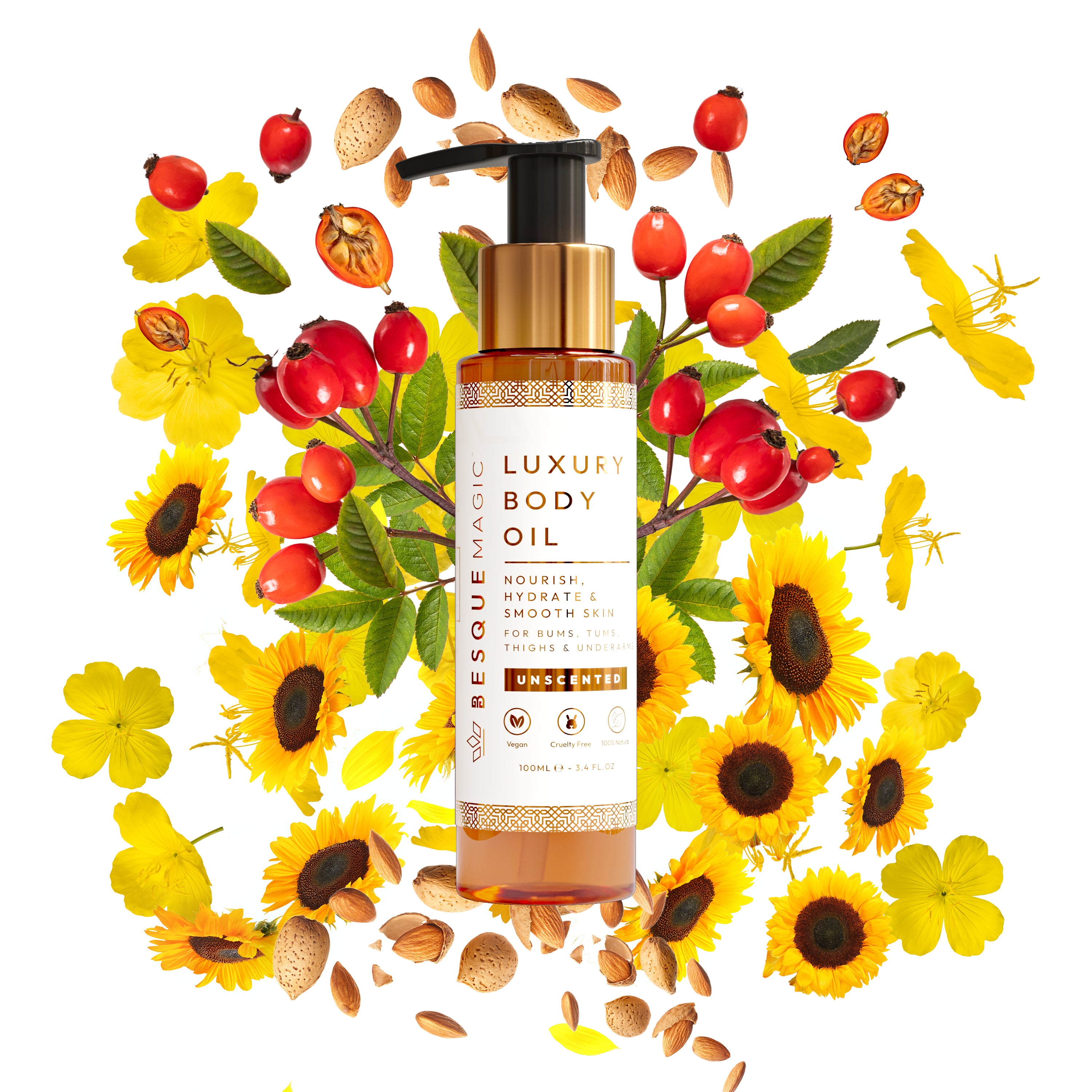
I am loving this oil, I’m seeing changes in my skin after only 30 days. I can’t wait to see the results after 90 days!
Dianne A.
Verified Customer


Jojoba oil can be a reasonable cosmetic choice if you want to condition existing hair and are comfortable with an oil-based finish. Its useful role is different from that of a shampoo or rinse-off conditioner, and it is not an established way to stimulate new hair growth. Whether it suits your routine depends on where you apply it, how your hair feels afterwards and whether the product is meant to stay in or be washed out. Understanding those distinctions makes it easier to decide what jojoba oil can do for your hair, and what to look for elsewhere.
Jojoba oil is commonly called an oil, but it consists mainly of liquid wax esters. That is a description of its composition, not a promise about how it will perform on every head of hair. It does not, by itself, tell you whether a particular product will feel light, leave a noticeable coating or suit your scalp.
You may see jojoba included in a hair product or sold as a single-ingredient oil. Those are not necessarily interchangeable choices. A finished product may combine jojoba with other ingredients and be designed for a specific use, such as conditioning the hair or washing it away. The label gives you important information about its intended area and whether it should be rinsed off.
For a hair-care decision, the practical question is not whether the word “oil” guarantees a particular effect. It is whether the product’s intended use matches the result you want. If you are looking for easier handling or a softer-feeling finish, assess those qualities directly. If you are looking for new growth or treatment of a scalp condition, choose a next step based on that concern rather than expecting a cosmetic oil to do a different job.
Hair conditioning concerns the visible hair fibre, the part you can handle and style. Conditioning can improve the feel and manageability of existing hair. That can make a routine more comfortable, for example when you are working through tangles or arranging textured lengths. It does not mean that a product has changed how many hairs grow from the scalp.
The follicle is the structure in the skin from which a hair grows. An oil applied to the lengths is being used on the existing hair, not as proof of an effect on the follicle. Jojoba oil is not an established hair-growth treatment. A smoother-looking style, added shine or easier handling should be understood as a cosmetic change, not as evidence of new growth or permanently repaired strands.
It also helps to separate three concerns that can look similar in the mirror:
These distinctions help you decide whether a conditioning product is relevant. A hair oil can be worth considering for the feel of the lengths, but it cannot answer every concern about thinning, shedding or breakage.
A useful measure: Judge a hair oil by the condition and handling of the hair you already have. Do not use improved shine or softness as a measure of new growth.
“Good for hair” can mean different things. You might want less friction when you arrange your hair, a finish that feels softer, or a product that fits a pre-wash routine. Someone else might be asking whether an oil will treat flakes or make thinning hair grow. Those are separate questions and should not be answered with one general claim about jojoba.
For everyday cosmetic care, pay attention to what changes when you use the product as directed. Does the hair feel easier to arrange? Does the finish suit you? Can you distribute the product without leaving lengths uncomfortably coated? These observations are more useful than a broad label such as “nourishing”, which does not explain the practical result.
The word “moisture” can also create confusion. A hair oil is not automatically equivalent to a rinse-off conditioner or a leave-in conditioner, and the name alone does not tell you how the complete formula will behave. Each format has a different place in a routine. Keeping the format and purpose in view helps you choose without expecting one ingredient to replace every other part of hair care.
If your main concern is how the lengths feel, focus your attention there rather than assuming that the scalp needs oil too. The lengths are the existing hair fibres you can condition and arrange. A product intended for hair lengths can be judged by the feel and manageability of those sections after use.
Start by considering the result you want from the finish. If you prefer a soft, defined or smooth-looking style, an oil-based product may be worth evaluating as part of your routine. If you dislike a coated or slick feel, the same finish may not suit you, even if another person enjoys it. Neither preference is a measure of hair health.
Where the label permits use on the lengths, distribute the product evenly rather than placing a large amount in one spot. Work with the areas that feel most in need of conditioning and notice how the hair moves afterwards. If it clumps, feels heavy or becomes harder to arrange, reduce the amount next time or use a different format according to its directions. If it feels comfortable and manageable, that is a practical reason to keep it in your routine.
The scalp and the hair lengths are different application areas. A product intended to condition lengths is not automatically a scalp product. If your hair lengths feel dry but your scalp feels comfortable, applying oil to the scalp may add a step without addressing your main concern.
An itchy or flaky scalp raises a different question from dry-feeling lengths. Do not assume that flakes are simply a sign that the scalp needs more oil, or that jojoba oil will treat a scalp condition. Persistent irritation, visible changes or ongoing symptoms deserve appropriate professional advice, particularly if they are getting worse. A cosmetic product should not replace prescribed care.
If a hair product is specifically directed for scalp use, follow its own label rather than copying directions for a different oil. Look at the exact application area, whether it is intended to stay in, and how it should be washed out. A product meant for scalp and lengths may have different directions from one designed only for styling or the ends.
Hair texture affects how a finish looks and feels, but it does not allow anyone to predict a perfect jojoba routine for you. Fine or easily flattened hair can show a coated finish sooner than hair that holds more volume. Curly or coily hair may have different handling and detangling needs, so a person may prefer a different placement or product format. These are practical differences to consider, not guarantees about who should or should not use jojoba.
Use the hair’s response to guide adjustments. A product that leaves fine lengths looking separated or flat may be too much for that routine. If curls feel difficult to arrange after application, the amount, distribution or product format may not be working well for you. For either texture, apply only as the label directs and assess the finished feel before adding more.
The following checkpoints can help you decide what to try:
These checks are not a ranking of hair types. They help you match the product’s format and finish to your own routine.
Before applying jojoba oil, identify what you have. A single-ingredient oil, a leave-in hair product and a rinse-off product may have different directions. Do not borrow a waiting time or application method from another brand or another product simply because both contain oil.
Check the label for the intended area, amount, frequency and whether the product should be rinsed out. If the label gives specific instructions, use those rather than inventing a longer application period or a larger amount. If it does not make the intended use clear, ask the product maker before adapting it for your scalp or hair lengths.
This matters especially if you plan to combine jojoba with a shampoo, conditioner or another hair product. Adding oil to a finished formula changes how you use that formula, and its maker may not recommend it. Use the product as supplied unless its directions say otherwise.
If the product is intended for the lengths, divide the hair into manageable sections so you can see where it is going. Follow the directions for whether the hair should be dry or damp. Spread the amount allowed by the label across the intended area, and check that it is not concentrated in a single patch. Avoid pulling through tangles; ease them from the ends upwards with suitable conditioning slip and gentle handling.
If the label directs use on the scalp as well as the lengths, keep to those directions and use a comfortable touch. Do not rub hard or use a hair oil on broken skin. When you finish, wash the product out if it is a rinse-off treatment, or leave it in only if its directions say to do so.
A simple sequence makes it easier to notice whether the product suits you:
This is not a universal jojoba schedule. It is a way to follow the actual directions and assess the cosmetic result without adding unsupported steps.
A coated feel does not mean you need a more complicated routine. First check whether the product was intended to stay in or be rinsed out. If it is a rinse-off product, leaving it on changes its use. If it is a leave-in product, review whether you applied more than the directions suggest or covered a larger area than you needed.
If the hair feels flat, try changing one relevant factor at a time, such as applying the product only to the lengths if the label allows that, or using less within the stated directions. This makes it easier to tell whether placement or amount is the issue. Do not increase the quantity or leave it in for longer in the hope of speeding up a result.
If your hair still feels uncomfortable or hard to manage, another product format may fit better. A rinse-off conditioner, leave-in conditioner or styling product has a different role from a standalone oil. The right choice is the one that works with how you care for your hair and leaves a finish you are content with.
| Format | Main role in a routine | What to check |
|---|---|---|
| Jojoba oil or a jojoba-containing hair oil | Cosmetic use as an oil-based hair product; the intended area and finish depend on the product | Whether it is leave-in or rinse-off, where it can be applied and how much the directions specify |
| Rinse-off conditioner | Conditioning after cleansing, then washing out | Where the directions say to apply it and how thoroughly to rinse |
| Leave-in conditioner | Conditioning that remains in the hair, when the product is made for that use | The stated amount, placement and finish |
| Shampoo | Cleansing that removes accumulated oil and product residue | The product directions and how it fits your scalp and washing routine |
An oil and a conditioner are not automatically substitutes. A conditioner is formulated for its stated use, such as a rinse-off step after shampooing or a leave-in product. A hair oil may be intended for a particular area or as a separate step. Check the directions rather than assuming that any oil can replace your conditioner.
If your goal is easier handling after washing, a conditioner made for that point in the routine may be the more direct format to compare. If you want to assess an oil-based finish on the lengths, a hair oil may be more relevant. You can use products with different roles in the same routine when their directions allow it, but there is no need to add another step just because jojoba is described as versatile.
Shampoo has a different job again. It cleanses and removes accumulated oil and product residue. If you use an oil that is meant to be washed out, follow its directions for cleansing afterwards. Avoid changing your shampoo routine based on a general claim that one oil suits everyone.
A useful comparison is the outcome you can observe, rather than the broad claim that one ingredient is better than another. Consider how easy the product is to apply, where it is meant to go, whether it stays in or rinses out, and how your hair feels when you finish. Those criteria apply whether you choose jojoba oil, a conditioner or another hair-care product.
You might prefer a rinse-off format if you want to cleanse after conditioning. A leave-in product may fit if its directions and finish suit your routine. A hair oil may be an option when you want to assess an oil-based cosmetic finish on the intended area. These are differences of format and use, not proof that one category is always more effective.
Read the ingredient list and directions for the exact product, especially if you have an ingredient allergy or sensitivity. A product that contains jojoba may also contain other ingredients that affect your decision.
The Instant Anti-Frizz Hair Oil page lists its ingredients and product directions.
“Botanical” or “natural” does not guarantee that a formula will suit everyone, and a short ingredient list is not a safety score.
Breakage and shedding are not the same. Breakage happens along an existing hair shaft; shedding involves hair coming away from the scalp. They can both affect how full the hair appears, but a cosmetic oil cannot establish the cause of either concern.
Conditioning can improve the feel and manageability of the hair you already have. That may make styling or detangling easier, but it does not demonstrate that the oil has reduced shedding or repaired the hair permanently. Split ends are not permanently restored by an oil, either. A smoother or shinier appearance is a change in cosmetic finish.
Jojoba oil is not an established way to stimulate follicles or cause new hair growth. If hair loss is sudden, patchy, unexplained or concerning, seek professional assessment rather than trying an oil as a substitute. That is particularly important when there are also persistent scalp symptoms. A healthcare professional can assess concerns that a cosmetic hair product is not designed to answer.
Natural origin does not guarantee that a product will suit your skin or scalp. Hair products can contain other ingredients, including scent ingredients, so check the complete ingredients for the exact product if you have a known allergy or sensitivity. Do not assume that a product is safe for you because it contains jojoba or is described as botanical.
For a new product, follow its label’s small-area test guidance when relevant. A negative test does not guarantee that you will never react, and it is not a substitute for medical allergy assessment. Stop using the product if it causes irritation. Burning, stinging or a rash is not evidence that the product is working.
Keep hair products to their documented external use. Do not use them on wounds or in the eyes. If you are unsure about an ingredient because of a diagnosed allergy or another personal health concern, ask an appropriate healthcare professional; a product maker can help with routine questions about its ingredients and directions.
If you are choosing jojoba oil for the feel of your hair, a modest, practical goal is enough: assess whether the product’s directions fit your routine and whether the hair feels and behaves the way you want afterwards. You do not need to prove that it changes the biology of the hair for a cosmetic benefit to matter. Equally, a pleasant finish should not be mistaken for treatment of a scalp problem or a change in growth.
A careful choice begins with the concern itself. For lengths that need conditioning, compare the oil with suitable rinse-off or leave-in formats. For a scalp concern or noticeable hair loss, seek advice that addresses the cause rather than adding a cosmetic step. For an ordinary routine question, the product label and ingredient list are the best place to check how that particular jojoba product is meant to be used.
Jojoba oil can be a reasonable hair-care option when the aim is cosmetic conditioning, provided the format and finish suit you. It is not an established hair-growth treatment, and the label determines whether a particular product should stay in or be rinsed out. Check the directions, use it only on the stated area and assess the feel of your existing hair rather than expecting a change in growth.
Jojoba oil is not an established way to stimulate hair growth. It can be considered as a cosmetic hair-care ingredient, but a change in softness or shine does not show that follicles are producing new hair.
Only use it on the scalp if the directions for that exact product allow scalp application. An oil intended for hair lengths should not be assumed to treat flaking, itching or another scalp concern.
They have different roles, and neither is automatically better for every routine. A rinse-off or leave-in conditioner is made for its stated conditioning step, while the intended use of a jojoba hair product depends on its own directions.
Check the ingredients, application area and rinse-off or leave-in directions, then assess whether your hair feels manageable and comfortable after use. Stop using it if it causes irritation, and seek professional advice for persistent scalp symptoms or concerning hair loss.
The Alchemy of Beauty is a sacred trilogy for the woman who knows that beauty isn’t something you chase, it’s something you reveal.
Crafted for body, face, and hair, each formula in the collection is a masterpiece of intention: pure, unrefined oils drawn from the world’s most potent botanicals. Chosen not for trends, but for their timeless ability to restore, repair, and replenish.
From the softening hush of Magic Body Oil to the luminous renewal of the DIVINE9 Facial Serum, and the silken strength of our Enrich Hair Oil, this is sel-care that doesn’t ask you to be younger, only more you.
Ethically sourced, cold-pressed, and formulated with purpose. This collection is beauty in its most powerful form.
Because at this stage in life, beauty isn’t about transformation. It’s about coming home to yourself. Radiant, grounded, and gloriously alive.
This is the alchemy. This is your ritual.

