




How to volumise hair for a fuller-looking style
Create temporary lift by raising roots as they dry, changing your part and adjusting conditioner placement. Styling changes appearance, not hair density.


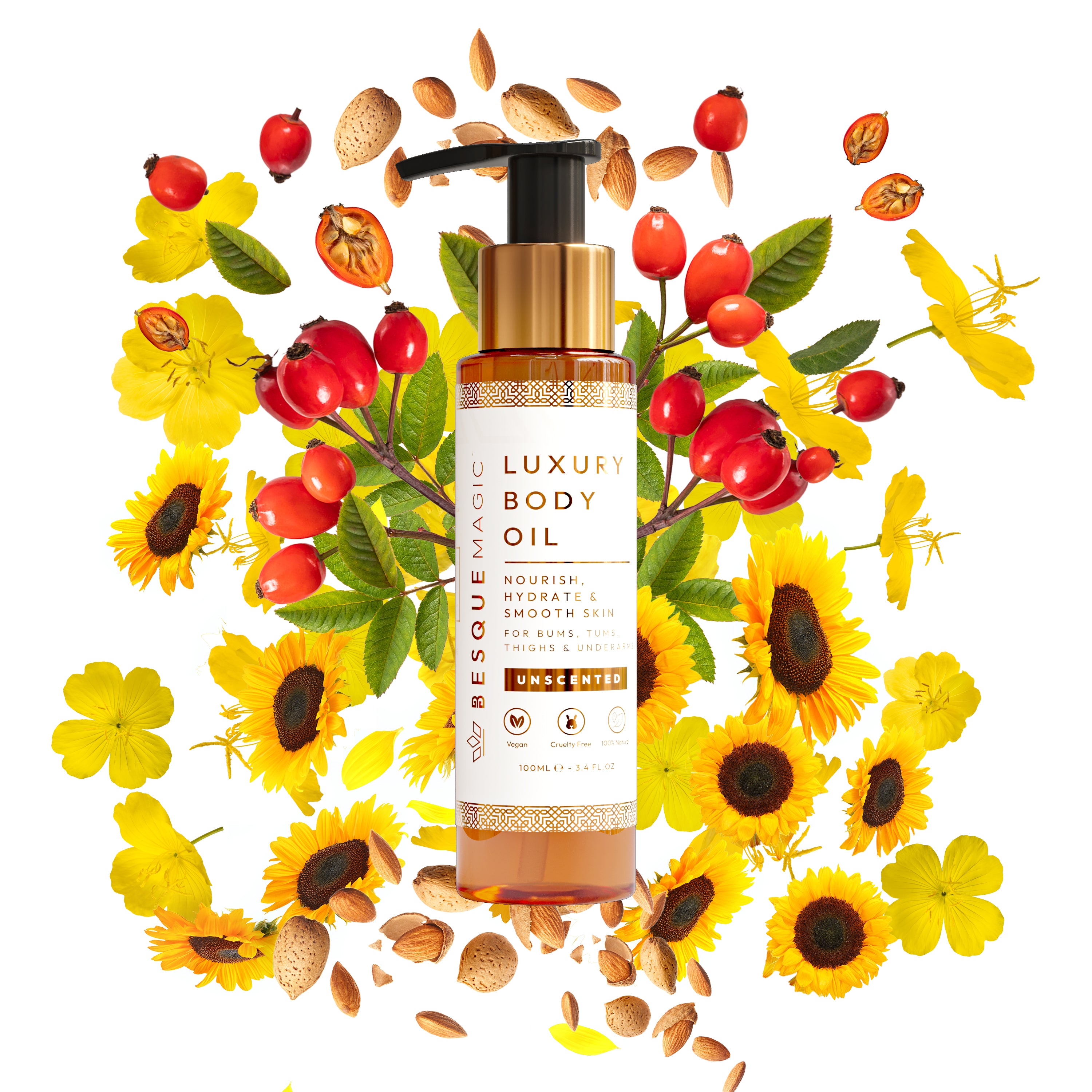
I am loving this oil, I’m seeing changes in my skin after only 30 days. I can’t wait to see the results after 90 days!
Dianne A.
Verified Customer


Yes, but only when that particular leave-in conditioner is labelled for heat protection and its directions cover the tool you plan to use. A standard leave-in conditioner can help condition and detangle hair, but being left in the hair does not automatically make it a heat protectant. If the label makes no heat-protection claim, do not rely on the conditioner for that purpose. Use a separate product labelled for heat protection, following its directions.
The distinction matters when you want a manageable routine without adding steps that do not do the job you need. The label, the styling tool and the way you use it all help determine whether one product is enough.
Leave-in conditioner is designed to stay in the hair after application. Depending on the formula, it can make lengths feel softer, help with detangling and make hair easier to handle. These are useful benefits whether you air-dry, blow-dry or style another way.
Conditioning can also help reduce friction as you comb through tangles. That practical difference can matter when wet hair catches easily or when your lengths take time to arrange. Apply the product to the areas that need help with handling, following its own directions. A little more on the ends is not automatically better: if hair feels coated or sits flat, the amount or placement may not suit your finish.
A leave-in conditioner’s main purpose does not tell you whether it has been formulated or labelled for use with heat. Nor does a particular ingredient, by itself, confirm that the finished product provides heat protection. Look for an explicit claim and instructions for the styling use you have in mind.
A product labelled as a heat protectant is intended for use before heat styling, under the conditions set out by its manufacturer. The directions may specify whether it is for a blow-dryer, hot styling tools, or a stated temperature range. Match those details to the tool you actually use. A claim for one kind of styling is not a reason to assume the product covers every tool or condition.
Heat protection is not the same as making hair immune to heat. Styling with heat can still affect the feel and condition of existing lengths, particularly when the exposure is frequent or intense. A heat-protection product is one part of managing that exposure, alongside sensible tool use.
Do not try to infer protection from the ingredient list alone. Familiar conditioning ingredients may be present for softness or manageability, but their presence does not confirm that the product is intended for heat styling. The label should make the intended use clear.
Some products are labelled for both leave-in conditioning and heat protection. If the directions cover your tool and styling method, you can use that product for both purposes as directed. Check whether its instructions describe use on damp hair, dry hair or both, and whether they set a limit for a particular tool.
If the label says only that the product conditions, moisturises or detangles, treat it as a conditioner. Add a separate, appropriately labelled heat protectant before using a hot tool. You may still find the leave-in useful for detangling or softness, but those benefits do not replace the heat-protection step.
| Product type | Main role | What to check before styling |
|---|---|---|
| Leave-in conditioner without a heat-protection claim | Conditions hair and can help with detangling or manageability | Do not count it as heat protection |
| Leave-in conditioner labelled for heat protection | Combines conditioning with a stated heat-styling use | Check that the directions cover your tool and method |
| Separate heat protectant | Intended for heat styling under its stated directions | Check where and how to apply it, and any tool or temperature limits |
| Hair oil | Can condition existing hair and affect its feel or manageability | Do not assume it provides heat protection unless its own label says so |
A useful label check. If you cannot find a clear heat-protection claim and directions that fit your styling tool, use a separate product labelled for that purpose.
A quick label check is more reliable than relying on a product category, a social-media recommendation or a single ingredient name. Look for the exact wording and conditions that describe the product’s intended use.
If the packaging is unclear, ask the manufacturer or retailer what the claim covers before relying on it. Ingredient lists can help you understand a formula, but they are not a substitute for directions about heat styling.
For questions about a Besque product’s formula or directions, contact Besque customer care.
A blow-dryer is used while hair is drying, so the preparation is different from styling with a flat iron or curling iron. After washing, gently squeeze excess water from the lengths and blot or wrap the hair rather than rubbing it roughly with a towel. This reduces unnecessary handling while the hair is wet and more prone to tangling.
Apply leave-in conditioner if you need help with detangling or softness. If it is not labelled for heat protection, apply a separate heat protectant according to that product’s directions. The application area and method matter: follow the instructions for whether to spray, smooth or distribute the product, rather than assuming a quick pass over the top of your hair has covered every section.
Use a suitable lower setting where it works for your styling needs, and keep the dryer moving rather than concentrating hot air on one small area. Follow the appliance instructions. You do not need to hold the dryer close to the scalp or repeatedly direct heat at the same section to make a style take shape.
If your hair is fine or loses movement easily, pay attention to the finish as you distribute products. A leave-in conditioner that helps with combing may still be too much if it leaves the lengths heavy. The aim is enough coverage for the product’s intended job, not the largest possible quantity.
Flat irons and curling irons make direct contact with hair, so the product label needs to cover that kind of styling. Use a leave-in conditioner as a heat protectant only when its directions specifically support your planned use. Otherwise, use a separate heat protectant labelled for the tool.
Make sure hair is fully dry before using a flat iron or curling iron. Do not use a hot tool on damp hair. A product applied to damp hair does not change that requirement, and a heat-protection claim is not permission to use a tool in a way its manufacturer warns against.
If the heat protectant is meant for damp hair, apply it at the stage stated on the label and allow your hair to dry completely before using the iron. If it is meant for dry hair, use it as directed. Do not assume the same product can be applied to either wet or dry hair without checking.
Repeated passes over the same section add more heat exposure. Work with manageable sections and use the tool according to its instructions. If a section does not take the style, check whether it is dry, whether the tool is suitable for your hair and whether the product directions cover that method before turning up the heat.
Using both a leave-in conditioner and a separate heat protectant can make sense when your hair needs conditioning as well as a product labelled for heat styling. The order depends on the directions for the individual products. A leave-in intended for damp hair may come first, but the heat protectant’s label should determine when and how to apply it.
A simple sequence is:
Layering more products does not automatically mean more protection. If your hair already detangles easily and the heat protectant gives the finish you want, a leave-in conditioner may be unnecessary for that styling session. If conditioning is useful, choose an amount and placement that help without leaving the lengths weighed down.
Fine strands can feel heavy when several products are layered. That does not mean you need to avoid conditioning altogether. It means the finish deserves attention: use leave-in conditioner only where it helps with tangles or rough-feeling ends, and avoid applying more than the product directions call for.
A dedicated heat protectant may be enough if your main concern is styling with heat and you do not need extra detangling. If one leave-in product is labelled for both roles, it may simplify the routine. Check how the hair behaves after application. If it looks flat, feels tacky or separates into coated-looking sections, reduce the leave-in amount or use it on fewer areas next time.
Besque’s guide to adding volume discusses styling choices for a fuller-looking style.
The best choice is not necessarily the product with the most claims. It is the one whose directions match your tool and whose finish suits your hair. A simpler routine can be useful when every extra layer makes your style harder to shape.
If your hair tangles readily, leave-in conditioner may be valuable for the handling it provides, whether or not it offers heat protection. Apply it in manageable sections if that helps you distribute it without pulling through knots. Use fingers or a suitable wide-tooth comb, and ease tangles from the ends upwards. Curly and coily hair does not need to be handled in exactly the same way as straight hair, so choose a method that lets you work through your own texture gently.
When you plan to diffuse or blow-dry, check that the heat protectant’s directions cover that tool. A leave-in product can support detangling and manageability, while the heat protectant performs its separate labelled role. If your chosen leave-in also has a suitable heat-protection claim, follow that label instead of automatically layering another product.
If you are air-drying, heat protection is not the immediate question, though conditioning may still help with handling and finish. This distinction can keep your routine focused: use leave-in conditioner for the job it is meant to do, and add heat protection when heat styling is part of the plan.
Besque’s guide to curly hair and frizz covers conditioning and gentler handling while drying.
If your hair is coloured, lightened or otherwise processed, you may be especially attentive to dryness, roughness or changes in how the lengths respond to styling. Conditioning can improve the feel and manageability of existing hair, but it does not reverse processing or repair split ends permanently. Heat protection is a separate step when you use hot tools.
You do not have to add several products simply because your hair is processed. Start with the problem you are trying to solve. If combing is difficult, a leave-in conditioner may help with slip. If you will use heat, make sure one of your products is explicitly labelled for that use. If one formula covers both needs, check that its directions match the tool.
Consider how often you use heat and whether you can reduce repeated styling on the same lengths. Small adjustments, such as using a lower suitable setting or allowing hair to air-dry partly before blow-drying, can reduce avoidable exposure. They do not make an unlabelled conditioner a heat protectant, but they can help you use heat more thoughtfully.
Hair oils and leave-in conditioners are different product formats. An oil can affect the feel and manageability of existing hair, while a heat protectant needs to be labelled for heat styling if you intend to rely on it for that purpose. A hair oil’s smoothing or anti-frizz role does not, by itself, establish heat protection.
Besque’s hair oils are described for conditioning use, with directions that include applying oil to the scalp and lengths and washing it out after the stated contact period. Revitalise Hair Oil and Instant Anti-Frizz Hair Oil, for example, have wash-out directions with overnight use described as an option. Those are not instructions to use either product as a pre-styling heat protectant. Follow the current label and choose a separately labelled heat protectant when you need one.
The Besque hair collection lists the brand’s hair-care products.
This difference is useful if your goal is a smoother feel. Conditioning the lengths and preparing hair for heat are related parts of a routine, but they are not interchangeable tasks. If you use an oil as directed on another occasion, do not assume that it replaces a labelled protectant the next time you blow-dry or use an iron.
It helps to separate three concerns that are often grouped together: making tangles easier to work through, improving the feel of dry or frizzy lengths, and preparing hair for heat styling. A leave-in conditioner may address the first or second. A hair oil may suit a conditioning routine. Heat protection requires a product with an explicit, relevant claim.
If your hair feels good with a conditioner and your styling method does not use heat, there is no need to add a heat protectant just to complete a set routine. If you do use a hot tool, choose a suitable labelled product even when your hair already feels soft. Feel is useful information about conditioning and finish, but it cannot confirm that a product covers a particular heat exposure.
You can also decide whether you need one product or two by considering what happens during styling. If you struggle to detangle before drying, a leave-in conditioner may help. If you can detangle comfortably but use a flat iron, a separate heat protectant may be the only additional product you need. This keeps the decision practical rather than turning every styling day into a long sequence.
The Revitalise Hair Oil page lists its product details and directions.
A coated or limp finish is often a reason to reassess product amount and placement. Leave-in conditioner can build up in the feel of the lengths when you apply more than you need, especially if you layer it with styling products. Try using less next time, or keep it to the areas that need conditioning. Follow the product directions rather than adding extra to compensate for a style that will not hold.
Check whether the products are being applied to the hair condition the label describes. A leave-in meant for damp hair may not give the same finish when used on dry hair, and a heat protectant may have different instructions. If the label does not support your method, change the method rather than adding more product.
A flat finish is not proof that the heat protectant has failed. It may simply mean the conditioning layer is too heavy for your preferred style. Separating the jobs can help: use less leave-in for detangling, then apply the heat protectant as directed.
A heat protectant does not guarantee that hair will feel unchanged after styling. Review how often you use heat, whether the tool setting is appropriate, whether you repeat passes and whether the product directions cover your method. Use gentle handling, reduce avoidable heat exposure and let the hair dry appropriately before using direct-contact tools.
Leave-in conditioner can help with softness and manageability, but it cannot permanently repair split ends or undo previous heat damage. If the lengths continue to snag, break or feel markedly different, consider reducing heat styling and ask a qualified hair professional for advice about the condition of the hair. Persistent scalp symptoms or sudden, patchy or unexplained hair loss call for appropriate healthcare advice rather than a styling-product change.
A leave-in conditioner can serve as a heat protectant only when its own label explicitly supports heat protection for the tool and method you plan to use. Otherwise, use it for conditioning and detangling, and choose a separate labelled heat protectant before styling with heat. Check the directions, use the product in the stated way and keep heat exposure as low as is practical for the style you want.
Only if that specific leave-in conditioner is labelled for heat protection and its directions cover blow-drying. If it is labelled only for conditioning or detangling, use a separate heat protectant rather than relying on it for thermal protection.
No. Rinse-out conditioner is intended to be washed off, so do not leave it in as a substitute for a heat protectant. Use products according to their stated directions.
That depends on the product’s instructions and the tool you are using. Check whether it is intended for damp or dry hair, and make sure hair is fully dry before using a flat iron or curling iron.
Do not assume that a hair oil provides heat protection because it conditions or smooths the hair. Use it for its labelled purpose, and choose a product explicitly labelled for heat protection when you use hot styling tools.
The Alchemy of Beauty is a sacred trilogy for the woman who knows that beauty isn’t something you chase, it’s something you reveal.
Crafted for body, face, and hair, each formula in the collection is a masterpiece of intention: pure, unrefined oils drawn from the world’s most potent botanicals. Chosen not for trends, but for their timeless ability to restore, repair, and replenish.
From the softening hush of Magic Body Oil to the luminous renewal of the DIVINE9 Facial Serum, and the silken strength of our Enrich Hair Oil, this is sel-care that doesn’t ask you to be younger, only more you.
Ethically sourced, cold-pressed, and formulated with purpose. This collection is beauty in its most powerful form.
Because at this stage in life, beauty isn’t about transformation. It’s about coming home to yourself. Radiant, grounded, and gloriously alive.
This is the alchemy. This is your ritual.

