




How to detangle hair gently and properly
Learn how to detangle hair properly: work in sections from the ends upwards, using conditioner on damp hair or detangling dry, as suits your texture.


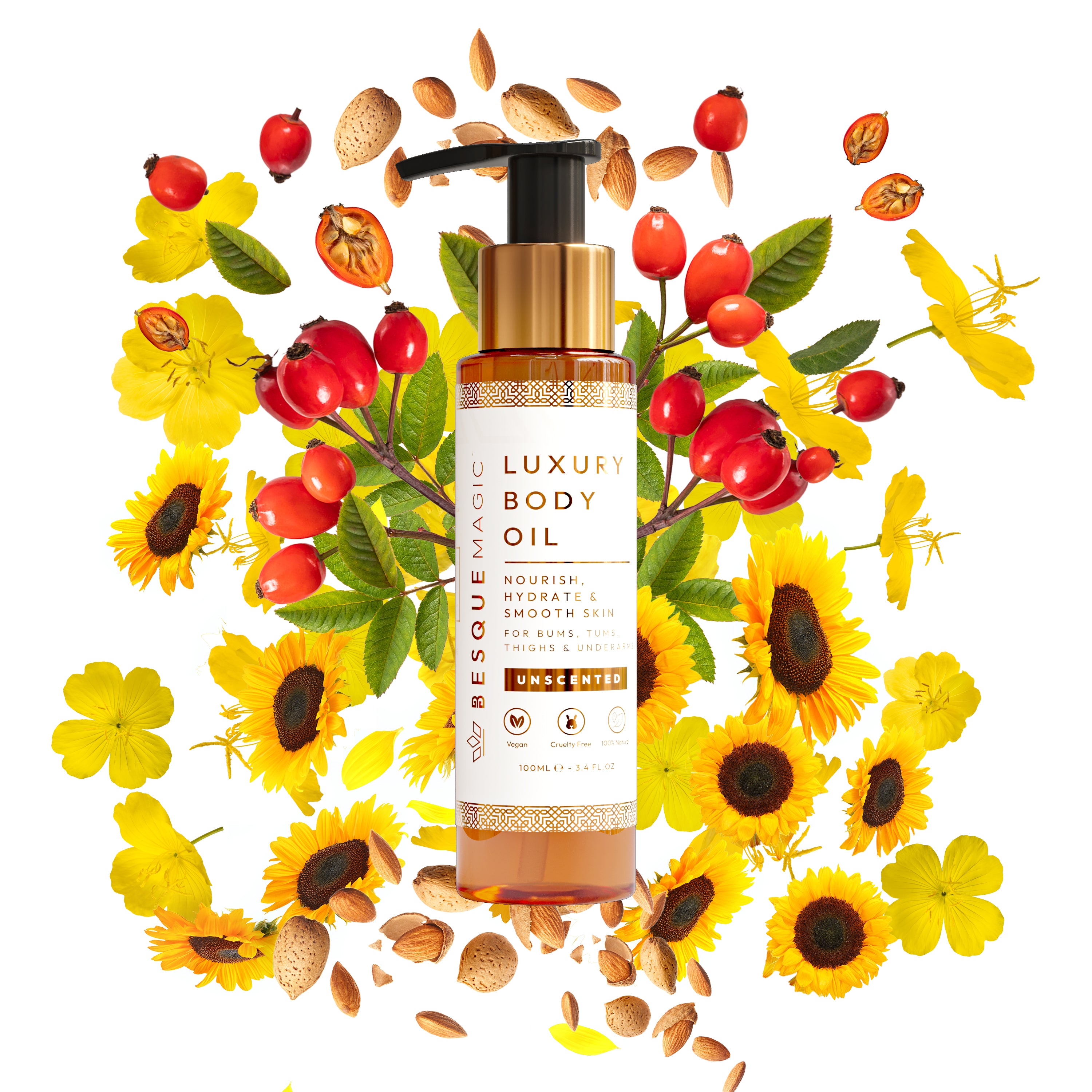
I am loving this oil, I’m seeing changes in my skin after only 30 days. I can’t wait to see the results after 90 days!
Dianne A.
Verified Customer


Dry hair ends usually respond best to careful conditioning and less rough handling. Shampoo the scalp rather than scrubbing the lengths, apply conditioner where the hair feels dry, and reduce avoidable friction and heat. These steps can improve softness and manageability, but they cannot permanently rejoin a split end. If a strand is visibly frayed, a trim is the way to remove that part. The first step is to work out whether your ends feel dry, look frizzy, or are actually splitting, because each calls for a slightly different approach.
Hair can feel rough, stiff or difficult to detangle without having a visible split. Dry-feeling ends may become softer with conditioning, and a smoother surface can make them easier to handle. That change can be welcome if your ends catch on clothing, tangle after washing or resist the style you want.
A split end is a strand that has visibly separated or frayed. Conditioner or oil can make the surrounding hair feel smoother, so the split may be less noticeable for a while. They do not fuse the separated parts back together. A trim removes the frayed section; the amount to cut depends on where the split begins and how much length you want to keep.
Breakage is another useful distinction. A shorter piece of hair may have snapped rather than fallen out from the scalp. If you notice short broken pieces alongside rough ends, review how you detangle, dry and style your hair before adding more products. Pulling through knots or repeatedly using high heat can add stress to already fragile lengths.
The word “dry” describes how the hair feels, not a diagnosis. Notice what happens after washing and styling: does conditioner make the ends easier to comb, do they feel rough again after heat styling, or are there visible splits? Those observations help you choose a practical next step without treating every texture change as the same problem.
The scalp and the ends have different jobs in a hair routine. Shampoo removes oil and product residue from the scalp. The ends usually need more attention during conditioning and detangling, especially when they are long, curly, colour-treated or frequently styled.
The ends are also the oldest part of each strand. They have been exposed to handling and styling for longer than the hair close to the scalp. That does not mean every dry end is badly damaged, but it can help explain why the roots feel comfortable while the tips feel rough.
Hair texture affects how you distribute care. Fine, straight hair may flatten if a rich product is applied too far up the length. Curly or coily hair can need conditioning across more of the length to make detangling manageable. Neither approach is a rule for every person. The useful guide is how your hair feels and behaves after you rinse and dry it.
Let the scalp and the ends have different roles in your routine: cleanse where oil builds up, then condition the lengths that need easier handling.
Wet your hair thoroughly, then apply shampoo to the scalp. Use your fingertips to work it across the scalp rather than rubbing the lengths together. As you rinse, the lather and water will pass through the hair below, helping remove residue without requiring you to scrub the ends.
This placement is useful when the roots become oily before the lengths feel dry. It lets you clean the area that needs cleansing while avoiding unnecessary friction through the most delicate part of the strand. You do not need to force your wash schedule to match someone else’s. If your scalp feels clean and your ends remain manageable, keep the routine that works for you.
If you use styling products, consider whether residue is building up near the scalp or along the lengths. A cleansing product is meant to remove residue, while conditioner is meant to improve the feel and handling of hair. Trying to make shampoo do both jobs can leave you scrubbing the ends when they need less friction, not more.
After rinsing shampoo, spread conditioner through the lengths and ends that feel dry or difficult to detangle. Smooth it over the hair with your hands rather than piling the lengths on top of your head. If knots are common, use the conditioner’s slip to ease them apart gently before rinsing, following the product directions.
Placement can change the finish. With fine or straight hair that loses shape easily, begin lower on the lengths and concentrate on the ends. If your hair is dry, curly or coily, distribute conditioner more broadly through the lengths that need help moving past one another. Keep it off the scalp when that area becomes weighed down or oily, unless the product directions specifically say otherwise.
A rinse-off conditioner and a leave-in conditioner are different formats. The first is rinsed away after use; the second stays on the hair according to its directions. A leave-in can be worth considering if your ends still feel difficult to manage after rinsing, but it is not compulsory. Choose based on the finish you want and the way your hair responds, rather than adding both automatically.
A simple sequence helps you see whether your current products are doing the job:
The useful result is not a particular “perfect” texture in the shower. Look for hair that feels easier to separate and comb without pulling. If the ends still catch or feel rough, adjust one part of the routine, such as conditioner placement or handling, before layering on several new products at once.
Wet hair needs considerate handling. After washing, press or blot the lengths with a towel rather than rubbing them briskly. Rubbing creates movement between strands and can leave the ends more tangled, which then asks more of the comb or brush.
Start detangling at the ends and work gradually upwards. Hold the section above a knot to reduce the pull on the hair near your scalp, then loosen the tangle in small movements. For curls or coils, work in manageable sections and use a suitable conditioner or leave-in product for slip. A single brushing method does not suit every texture or style.
Pay attention to what your hands are telling you. If a comb stops at a knot, pulling harder is unlikely to make the routine quicker in a useful way. Add the product or moisture your hair’s directions allow, separate the tangle gently, and continue from the lower part of the section. Taking a little care here can make wash day less tiring and reduce the temptation to tug at the ends.
Frequent heat styling can leave the ends feeling rougher or more brittle. If you use a blow-dryer, curling tool or straightener, consider whether you can use it less often, reduce the heat setting where suitable, or choose a style that needs less repeated contact with hot tools. Follow the appliance instructions and use a heat protectant that is specifically labelled for that purpose.
Hair oil is not a substitute for heat protection. An oil may be used to condition hair according to its directions, but heat protection is a separate product function. Check the label of any styling product rather than assuming that a smooth finish or oil content protects hair from heat.
The way you dry matters too. Blot or wrap the lengths gently instead of rubbing them. When blow-drying, keep the dryer moving and use a suitable setting for your hair and appliance. Avoid concentrating hot air in one place. If you can allow some drying to happen without heat, that is one way to reduce how much heat styling your ends receive, though your routine should remain workable for you.
If heat is part of the style you prefer, you do not have to treat that choice as a failure. The practical question is whether you can reduce unnecessary passes or avoid repeating heat on the same section. More controlled styling can help you keep the look you want while being gentler with the lengths.
Colouring, bleaching, relaxing or perming can change the feel and handling of hair. If your ends have become rough after a service, condition them carefully and tell your stylist what you are noticing before your next appointment. They can discuss the service and the amount of trimming that would fit your preferred length.
You do not need to abandon colour or another service simply because your ends feel dry. It may be more useful to adjust how often the service is repeated, discuss what is applied to previously treated lengths, or change the style of care between appointments. The right conversation is specific to what you have done and what you want to maintain.
A product that makes the surface feel smoother can help with day-to-day manageability, but it does not reverse a change to the strand. If your hair is breaking or the frayed area extends farther up than you expected, ask a qualified stylist to assess the visible lengths and explain the options before cutting. Agreeing on a length first can make the appointment feel more straightforward.
Small changes in handling can matter when ends repeatedly tangle. Avoid pulling a tight tie through a knot, and choose a comfortable style that does not tug on the same area all day. If you tie your hair back, take it down gently rather than dragging the band through the ends.
At night, a loose, comfortable arrangement can reduce movement and friction for curls. It is an option, not a requirement, and it should not pull at the scalp or feel restrictive. A smoother pillow surface may also be a preference worth trying if you notice your hair tangles against your usual bedding, but no particular fabric is necessary for a sound routine.
Between washes, check whether the ends are dry-feeling or simply out of shape. If a light touch of a leave-in product is part of its directions, apply it only where needed and assess the finish. Adding several products without a clear reason can make hair feel coated, particularly when it is fine or easily flattened.
Conditioner, leave-in products and hair oils have different places in a routine. The choice depends on whether you want to condition during washing, leave a product on the lengths after washing, or use a hair oil according to its particular directions. A trim is a different option altogether because it removes visibly frayed ends rather than conditioning them.
| Option | Place in the routine | Useful when |
|---|---|---|
| Rinse-off conditioner | Applied to the lengths and rinsed according to its directions | Hair needs easier handling after shampooing |
| Leave-in conditioner | Left on the hair according to its directions | The lengths still need conditioning after rinsing |
| Hair oil | Used on the scalp or hair lengths only as directed for that product | You want a conditioning step that fits the oil’s specific use instructions |
| Trim | A stylist removes the frayed portion of the strand | Ends are visibly split and you want that section removed |
An oil can help condition the existing hair fibre and improve its feel or manageability. It does not add water to the hair, and feeling smooth after application does not mean a split has been permanently repaired. Water-containing products such as conditioners have their own useful functions, so there is no need to replace a conditioner that already works for you with oil.
The amount and placement that feel comfortable can depend on the product and your hair. Apply only as the product directions say, then notice whether the lengths feel easier to handle or too coated. If you dislike the finish, using a different format or applying the product to a smaller area may make more sense than assuming that you need more.
Besque’s hair oils are conditioning products for existing hair. They are not interchangeable with rinse-off conditioner or with a heat protectant, and each has its own directions. If you are choosing among them, start with the job you want the product to do and the instructions you are prepared to follow.
Revitalise Hair Oil is positioned for dry or processed hair and a softer, smoother feel. Its supplied directions describe gentle massage through the scalp and hair lengths twice weekly, then washing it out after two hours, with overnight use offered as an option. Follow the current product label, and do not assume longer contact will give a better result.
Instant Anti-Frizz Hair Oil is positioned for frizz management and a smoother, more manageable feel. Its reviewed directions also describe gentle scalp-and-length application twice weekly, washing out after two hours, with overnight use as an option. It is not a daily leave-in styling method simply because the concern is frizz.
Enrich Hair Growth Oil is a scalp and hair oil with directions for gentle massage through the scalp and lengths twice weekly. Its name does not change its cosmetic role here: the relevant benefit to consider is conditioning existing hair, not new growth or less medically caused shedding. Its product information warns that it is not suitable for people with nut allergies. Anyone with a nut allergy should not use it.
If your concern is specifically the dry feel of processed lengths, Revitalise may be the more relevant product to compare. If frizz and styling manageability are the main issue, Instant Anti-Frizz addresses that cosmetic preference. If you are considering Enrich, the nut-allergy exclusion is essential. Check the current directions and complete ingredient information before use, particularly if you have a known allergy or are uncertain about a product’s ingredients.
A new product can irritate skin or scalp even when its ingredients are botanical. Follow the product’s small-area test guidance where relevant, and stop use if irritation occurs. Do not use a home test to override a known allergy. For questions about a formula or directions, Besque customer care can help with product information; it cannot provide medical clearance.
Choose an oil by its documented use and the finish you want, then follow that product’s directions. Do not use hair oil as a substitute for a product labelled for heat protection.
Fine hair can feel coated when too much product is applied or when a rich formula is distributed too close to the roots. Begin conditioner lower on the lengths and concentrate on the ends that feel dry. If you use a leave-in product, apply it only where the hair needs help and assess how the style sits after it dries.
A small, targeted adjustment is easier to interpret than adding a mask, leave-in and oil at once. If the hair feels soft but loses movement, reduce the amount or narrow the area rather than removing all conditioning. If it remains rough and tangles, revisit the wash and detangling steps before deciding the product itself is unsuitable.
Curly and coily hair may need conditioning across more of the length to make sections easier to detangle. Work in manageable sections, distribute conditioner through the areas that catch, and ease knots apart with your fingers or a suitable tool. This lets you handle one section at a time instead of pulling through the whole length.
The goal is not to make every curl behave identically. A routine should help you handle your hair and achieve the finish you prefer. If a leave-in conditioner is part of your routine, use it according to its directions and observe whether it supports easier handling without leaving an unwanted coating. A loose, comfortable overnight arrangement can reduce disturbance for curls, but it is optional.
An oily scalp and dry ends can occur together, so washing less often is not automatically the answer. Focus shampoo on the scalp and let the rinse pass through the lengths. Apply conditioner to the areas that need it, keeping it away from roots that become weighed down if that is what you notice.
If the scalp feels clean but the ends still feel dry, look at the care reaching the lengths rather than adding more shampoo. If the roots feel coated, check where conditioner, leave-in products or oil are being applied. This approach allows you to respond to each area without making the scalp and ends follow the same routine.
If you can see a strand splitting or fraying, conditioning may improve the feel around it, but the split portion remains. A stylist can remove the frayed section. If keeping length matters to you, say so before the appointment and ask what can be trimmed while still removing the visible split. Agreeing on the plan helps you weigh the appearance of the ends against the length you want to retain.
A trim is not a requirement whenever hair feels dry. If the ends feel rough but are not visibly split, try a more targeted conditioning and handling routine first. If tangles, snapping or visible splits continue, a stylist can help you distinguish what needs cutting from what may be managed with care.
To improve dry-feeling ends, condition the lengths, handle them gently and make heat styling more deliberate. Use a trim for visible splits, since products can improve feel but cannot join a split strand. The amount of conditioning and the product format should suit your texture and the finish you prefer.
Start with the next wash: shampoo the scalp, condition the areas that need help, blot rather than rub, and detangle from the ends upwards. If you want to add a hair oil, compare its exact directions with your routine and check the full ingredient information for allergies. A routine that makes your ends easier to handle is a useful result, even when your hair’s length and texture remain your own.
Dry-feeling ends can often become softer and easier to manage with conditioning and gentler handling. If the strands are visibly split, a trim removes the frayed section; conditioner and oil do not permanently join it back together.
Follow the directions for the specific hair oil, because products differ in whether they are intended to be washed out or left on. Besque’s Revitalise and Instant Anti-Frizz directions describe application to the scalp and lengths, followed by washing out after two hours, with overnight use as an option.
The scalp and ends can need different care. Apply shampoo to the scalp, then condition the lengths and ends that feel dry, keeping conditioner away from roots if it leaves them weighed down.
Do not assume that oil protects hair from hot tools. Use a product specifically labelled for heat protection, follow its directions, and treat oil as a separate conditioning step.
The Alchemy of Beauty is a sacred trilogy for the woman who knows that beauty isn’t something you chase, it’s something you reveal.
Crafted for body, face, and hair, each formula in the collection is a masterpiece of intention: pure, unrefined oils drawn from the world’s most potent botanicals. Chosen not for trends, but for their timeless ability to restore, repair, and replenish.
From the softening hush of Magic Body Oil to the luminous renewal of the DIVINE9 Facial Serum, and the silken strength of our Enrich Hair Oil, this is sel-care that doesn’t ask you to be younger, only more you.
Ethically sourced, cold-pressed, and formulated with purpose. This collection is beauty in its most powerful form.
Because at this stage in life, beauty isn’t about transformation. It’s about coming home to yourself. Radiant, grounded, and gloriously alive.
This is the alchemy. This is your ritual.