




How to volumise hair: practical styling tips
Create temporary lift by raising roots as they dry, changing your part and adjusting conditioner placement. Styling changes appearance, not hair density.


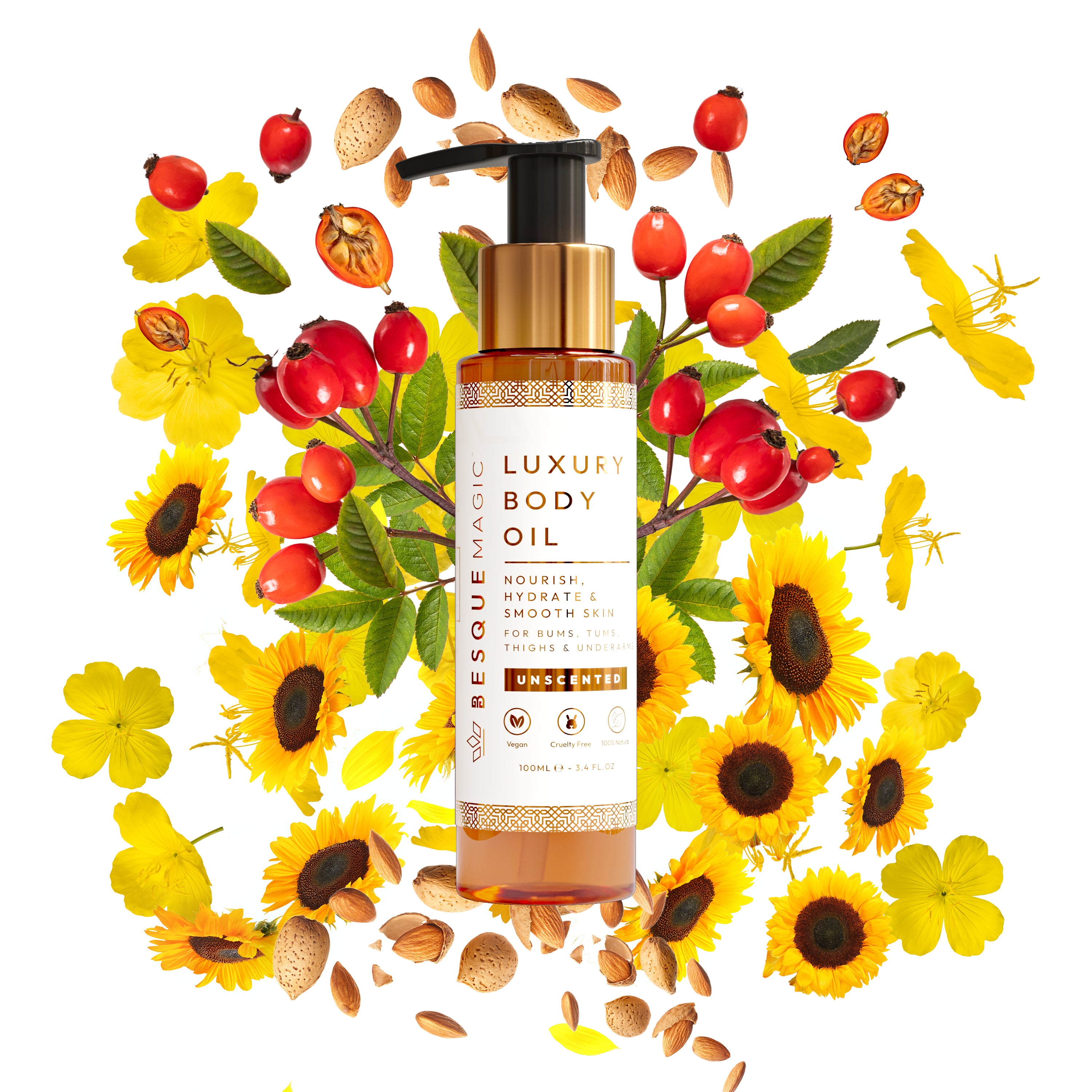
I am loving this oil, I’m seeing changes in my skin after only 30 days. I can’t wait to see the results after 90 days!
Dianne A.
Verified Customer


You can improve the feel and manageability of heat-damaged hair, and reduce the chance of adding more wear. A conditioner or hair oil can soften and smooth the existing lengths, but no cosmetic routine can promise to return a damaged strand to its original condition. Trimming removes affected ends; new growth replaces the length over time.
Start by reducing heat styling, then wash and detangle with care, condition the areas that need help, and choose lower-heat or heat-free styling where it suits you. The best routine is one you can follow without pulling at fragile strands or expecting a single treatment to undo what has already happened.
Hair that has been exposed to heat may feel rough or dry, tangle more easily, look frizzier, or break during handling. You might also notice that curls or waves no longer sit as they usually do. These observations can help you decide how to handle the hair, but they do not prove heat is the only cause. Hair texture and condition can vary across the head, and products, chemical services and everyday handling also affect how it looks and feels.
Look for a pattern across several strands rather than judging one unusual piece. Notice whether the ends feel rougher than the roots, whether tangles gather in particular sections, or whether short broken pieces appear after washing or styling. Avoid repeatedly stretching, combing or rubbing a strand to test its strength. That kind of checking adds handling without giving you a reliable assessment.
Signs worth noticing include:
Curly and coily hair may show a change in shape particularly clearly. A section that looks stretched after straightening is not enough on its own to tell you what has happened. Let it return to your normal washing and drying routine, then observe how it behaves without applying more heat. If the same sections repeatedly feel rough, tangle or break, adjust how you handle them and consider asking a trusted stylist to assess the lengths.
Conditioning can improve the feel of existing hair. It can help the strands feel softer, make them easier to detangle and give them a smoother, more manageable finish. Those changes matter in everyday care: fewer snags can make washing and styling less frustrating, and a smoother feel may make it easier to arrange the hair gently.
For a closer look at a specific hair-oil ingredient, Besque's article on jojoba oil and hair discusses its place in a conditioning routine.
That is different from restoring a strand to its earlier condition. A product can make a rough length feel better without undoing the history of heat styling. Split ends may lie more smoothly after conditioning, but a cosmetic product cannot permanently join them back together. Trimming removes the split portion; it does not change the hair that remains.
It helps to set a practical aim for each part of your routine. For example, you might want less tangling at the ends, a softer feel after washing, or an easier way to style without a hot tool. Those are useful things to look for. They do not require you to treat your hair as if it has failed, or to buy several products that all promise a similar result.
Choose care by the job you need it to do. Conditioning helps with feel and handling; trimming removes damaged length; changing your styling habits reduces further exposure to heat.
A curl or wave pattern can look different after heat styling, but one observation does not establish whether the change will last. The appearance of hair also depends on how it was washed, dried and arranged. Avoid trying to force a curl back with repeated washing, rough manipulation or another heated style.
After your next ordinary wash, use conditioner and detangle gently, then let the hair dry in a way that suits its texture. Notice whether the same areas continue to look or feel different. If curls form unevenly, that does not mean every strand is damaged, nor does it tell you how much length needs to be cut. Focus on comfort and manageability first. If the change concerns you or breakage is increasing, a stylist can look at the lengths and discuss a suitable cut or styling approach.
A careful wash begins with handling, not a special “repair” shampoo. Wet the hair and apply shampoo to the scalp, where cleansing removes accumulated oil and product residue. Let the lather run through the lengths as you rinse rather than bunching the hair on top of your head and scrubbing it together. That keeps washing focused on the scalp and avoids creating extra knots in the lengths.
Use water that feels comfortable rather than unnecessarily hot. Before rinsing, make sure you have worked through the scalp and removed the shampoo. If your hair knots easily, keep the lengths as aligned as you can while rinsing, and avoid rubbing them with a towel afterwards. Blot or wrap the hair gently instead.
You do not need to copy another person’s washing schedule. Consider how your scalp feels and how much product residue has built up, then choose a routine you can maintain. If your hair feels coated after styling products, cleansing may be useful; if the lengths are already prone to tangling, take particular care while washing and apply conditioner before detangling.
Apply conditioner through the lengths that need help, paying attention to dry-feeling or easily tangled areas. Fine hair that goes flat may need a lighter application towards the ends. Dry, curly or coily lengths may benefit from conditioning across a broader area so there is enough slip to work through sections gently. The aim is easier handling, not a particular look that every texture must achieve.
Work in manageable sections if the hair is dense or knots readily. Use your fingers or a suitable wide-toothed comb to ease tangles from the ends upwards. Hold the section above the knot to reduce tugging at the roots, loosen the snag with your fingers, then continue a little higher. Do not force a comb through a knot simply because it is taking time.
A rinse-off conditioner, leave-in conditioner and hair oil have different roles and directions. A rinse-off conditioner is washed away after use. A leave-in product stays on if its label directs that use. An oil may be intended for the scalp and lengths as a pre-wash step, or for another specific use. None should be assumed to offer heat protection unless that function is documented for the product.
A simple routine usually works better than layering several products without a clear reason. Use cleansing to remove residue, conditioning to improve softness and detangling, and a separate heat-protection product if you plan to use a hot tool and the product is labelled for that purpose.
| Product or step | Main role | What to check |
|---|---|---|
| Shampoo | Cleanses the scalp and removes accumulated oil or product residue | Apply it mainly to the scalp and handle the lengths gently |
| Rinse-off conditioner | Conditions lengths and helps with easier handling | Rinse as directed; focus application where tangles or dryness are most noticeable |
| Leave-in conditioner | Provides conditioning after washing when its directions call for leave-in use | Check the application area and whether it suits your desired finish |
| Hair oil | Conditions the hair according to its product directions | Check whether it is a pre-wash or leave-in product; do not assume it protects against heat |
| Heat-protection product | Has a specific documented function for use with heat styling | Follow the product directions; oil content alone does not establish heat protection |
Besque's hair collection lists its hair-care products.
You can adjust one useful part of the routine at a time. If detangling remains difficult, change how you section and condition the hair before adding another product. If the lengths feel coated, review how much product you are using and whether it is meant to be rinsed out. These observations help you make a practical adjustment without treating a cosmetic routine as a test of whether the hair has been repaired.
Taking a break from straighteners, curling irons or heated brushes reduces exposure during the styles when you do not use them. Air-drying or choosing a heat-free style is a practical way to avoid hot-tool contact for that session. You do not have to give up a style you enjoy permanently. The useful change is to make heat less frequent while you work out what routine leaves your hair easier to handle.
If your usual style depends on heat, consider which parts of the process are essential. Could you let some of the hair dry without heat first, or choose a style that does not require reheating the same section several times? The aim is to avoid repeated passes and unnecessary exposure, not to create a rigid rule that ignores the style you want.
Try alternatives that fit your texture and the way you prefer to wear your hair. Loose braids, twists, wraps or rollers can shape hair without a hot styling tool. A comfortable overnight arrangement can reduce disturbance to curls, but no accessory is compulsory and no style will suit every texture. Avoid tight arrangements that pull, particularly if the lengths are already breaking.
The VeganSilk Hair Sleep Wrap product page gives its product details.
If you choose to use a hot tool, use a product specifically labelled for heat protection and follow its directions. Check whether it is intended for damp or dry hair and how it should be distributed before styling. A hair oil is not automatically a heat protectant, even if it makes the hair feel smoother. Keep product choice and tool use separate in your mind: an oil’s conditioning role does not establish a heat-protection function.
Follow the tool’s own instructions and avoid repeating the same pass simply to chase a particular finish. If you are blow-drying, keep the airflow moving over the hair rather than concentrating it on one spot. Pause when a section is dry enough for the style you want. For straighteners or curling tools, use only on hair prepared as the appliance and product directions require. Do not use a product outside its stated purpose in the hope that it will make high heat risk-free.
If the hair feels rougher or more difficult to manage after a heat-styling session, take that as a reason to review the routine before repeating it. Consider whether the tool, product placement or number of styling steps can change. You do not need to diagnose a particular form of damage to choose a gentler approach.
The way you handle hair after washing also matters to its feel and manageability. Blot with a towel or wrap the hair gently instead of rubbing it back and forth. Ease tangles from the ends upwards, and avoid pulling through knots. If you have curls or coils, working in sections with suitable conditioner can make detangling more controlled than trying to comb through the whole head at once.
Choose styles that let you move comfortably without constant retightening. A loose braid or other comfortable arrangement can keep lengths organised, while a tight style may create unwanted tension. Keep hair away from repeated snagging where you can, such as catches from clothing or accessories. These changes do not restore an already damaged section, but they can make daily handling kinder to the hair you are keeping.
A trim is the direct way to remove split or visibly frayed ends. If the roughest area is limited to the tips, you can ask a stylist to discuss a small trim rather than assuming you need a major change. If breakage extends higher through the lengths, the amount to remove depends on what you want your hair to look like and how much of the affected section you are ready to cut. There is no single cut that suits everyone.
A trim changes the length, not the condition of the new growth. If you prefer to keep your current length, you can focus on gentle handling and plan a gradual trim when it suits you. If split ends continue to catch on nearby strands, conditioning may improve their feel but will not permanently seal them. A stylist can show you where the ends look most affected and help you weigh a larger cut against gradual removal.
Do not make a decision based on a single rough day. Hair can feel different after a particular style or wash. Look for repeated snagging, visible splits or breakage across more than one section, and consider whether you can manage the hair comfortably as it is. A cut is a personal styling choice, not a punishment for using heat.
A hair oil can be one conditioning step for lengths that feel dry or are harder to manage. Besque Revitalise Hair Oil is positioned for dry or processed hair and a softer, smoother feel. Its directions describe application to the scalp and hair lengths twice weekly with gentle massage, followed by washing out after two hours; overnight use is an option. Follow the current label for the product you have, and do not assume that leaving it on longer gives a better result.
If your main concern is frizz, Besque Instant Anti-Frizz Hair Oil is positioned for a smoother, more manageable feel. Its directions also describe twice-weekly use on the scalp and lengths, with gentle massage and washing out after two hours; overnight use is presented as an option. It is not a daily leave-in styling product just because “Instant” appears in its name. Keep to the product directions rather than applying extra or changing its use to make a heated style last.
An oil does not replace shampoo, conditioner or a product with a specific heat-protection function. It also does not remove split ends or restore a damaged strand to its original condition. If the main difficulty is detangling, start with conditioner and technique. If the main difficulty is frizz, compare products by their stated use and the finish you prefer. If you have an allergy, check the complete current ingredients before use; Besque’s range includes nut-derived oils. For questions about a Besque product's formula or directions, contact Besque customer care.
Keep a rinse-off hair oil as a pre-wash step when its directions say to wash it out. Do not treat it as a leave-in heat protectant.
A stylist can help when you are unsure how much to trim, when a change in texture persists, or when breakage makes your usual styling difficult. Bring up the practices that matter to the decision, such as how often you use hot tools, whether you have coloured or processed the hair, and which sections tangle or break. You do not need to arrive with a diagnosis. The useful outcome is a clearer view of the lengths and realistic styling choices.
Breakage along the lengths is different from hair shedding from the scalp, and a cosmetic hair oil should not be used as a treatment for hair loss. Sudden, patchy or unexplained hair loss, or persistent scalp symptoms, merit assessment by an appropriate healthcare professional. If the concern is limited to the look and feel of the lengths, a stylist can advise on conditioning, handling and trimming without promising that a product will restore the strand.
There is no reliable deadline for a cosmetic routine to “repair” heat damage. Notice whether washing, detangling and styling become easier, rather than expecting every curl or end to change by a set date. If the routine leaves the hair coated, harder to detangle or uncomfortable on the scalp, stop and reconsider the product or how you are using it. A product that causes irritation should not be kept in use.
The practical answer is to reduce further heat, condition the lengths for softness and easier handling, and trim split or persistently rough ends if you want to remove them. Choose a next step based on what you notice: adjust detangling if knots are the main problem, review heat styling if texture or breakage worsens after it, or ask a stylist to assess the lengths.
It is not possible to promise that a changed section will return to its former pattern. Wash and condition it gently, then observe how it dries without adding more heat. If the change persists or breakage increases, a stylist can assess the lengths and discuss your options.
A mask can condition hair and improve softness or manageability, but it cannot be relied on to restore a damaged strand to its original condition. Use a mask according to its directions and judge it by how the hair feels and handles afterwards.
No single cut is right for everyone. A trim removes split or frayed ends, while a larger cut removes more affected length; a stylist can help you weigh those choices against the length you want to keep.
Only use a product for heat styling if it is specifically labelled for heat protection and follow its directions. A hair oil does not automatically protect hair from heat, and its conditioning role is not a substitute for a documented heat-protection product.
The Alchemy of Beauty is a sacred trilogy for the woman who knows that beauty isn’t something you chase, it’s something you reveal.
Crafted for body, face, and hair, each formula in the collection is a masterpiece of intention: pure, unrefined oils drawn from the world’s most potent botanicals. Chosen not for trends, but for their timeless ability to restore, repair, and replenish.
From the softening hush of Magic Body Oil to the luminous renewal of the DIVINE9 Facial Serum, and the silken strength of our Enrich Hair Oil, this is sel-care that doesn’t ask you to be younger, only more you.
Ethically sourced, cold-pressed, and formulated with purpose. This collection is beauty in its most powerful form.
Because at this stage in life, beauty isn’t about transformation. It’s about coming home to yourself. Radiant, grounded, and gloriously alive.
This is the alchemy. This is your ritual.

